CAD Conversion Case Study
A CAD conversion case study may cover PDF-to-DWG work, raster vectorisation, paper-drawing digitisation, file migration or 2D-to-3D model development.
A project result is useful only when readers can understand what produced it. Our CAD and BIM case studies describe the source information, production challenge, assigned scope, workflow and completed deliverables rather than presenting isolated images without context.
The projects featured by CAD Conversion Services India cover AutoCAD drafting, CAD conversion, Revit modeling, SolidWorks production and multidisciplinary documentation. Each example shows where our offshore team contributed and where design, engineering or approval responsibility remained with the client.
Use these studies to compare project types, identify relevant questions and determine whether a similar professional production approach may suit your own files. Buyers exploring outsource CAD project success stories can assess the work against the stated inputs and deliverables.

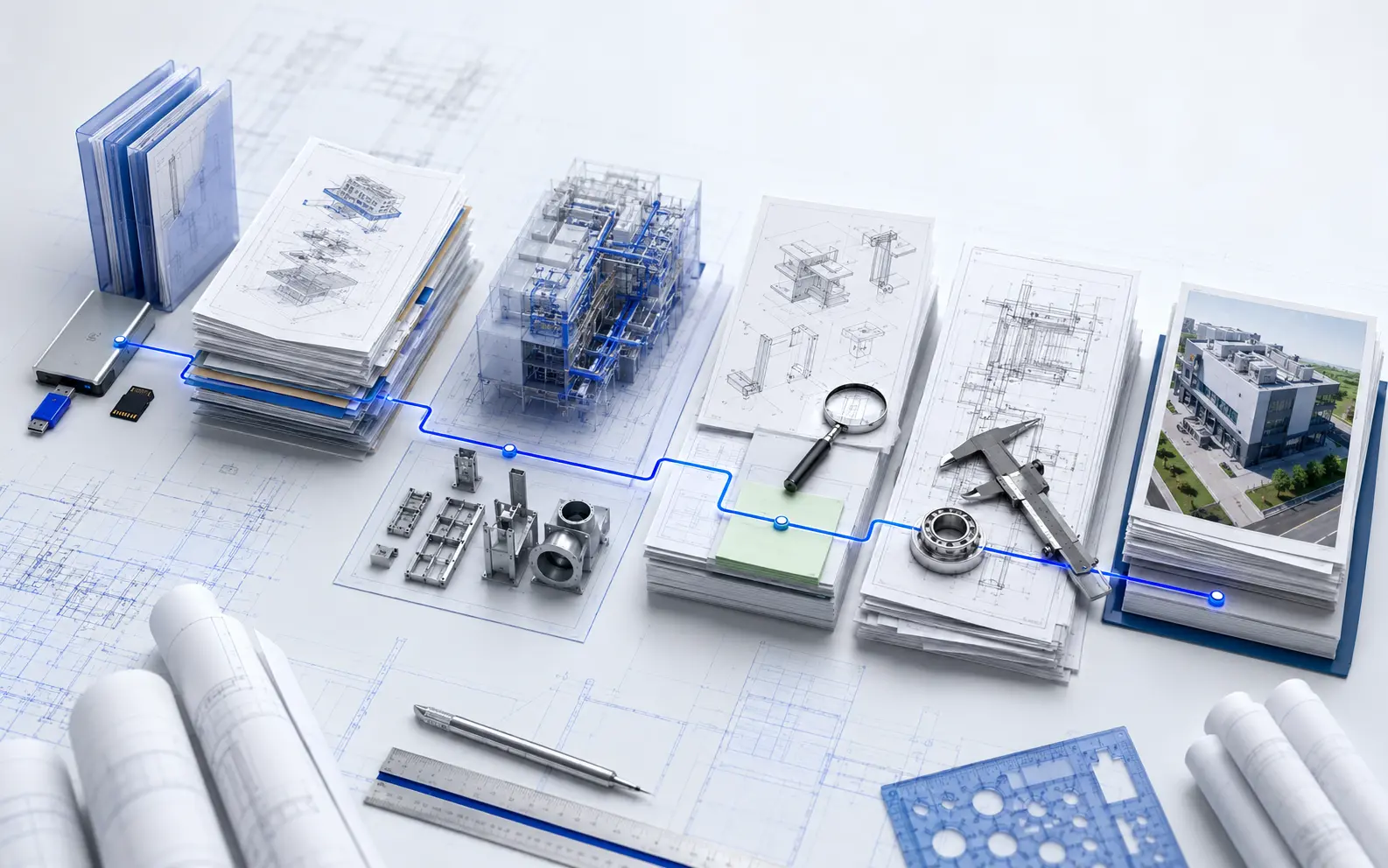
A strong project summary should make the work understandable without relying on a vague statement that the assignment was successful.
Our case-study structure identifies:
This structure helps buyers compare expert CAD solution examples on the basis of actual workflow rather than marketing language.
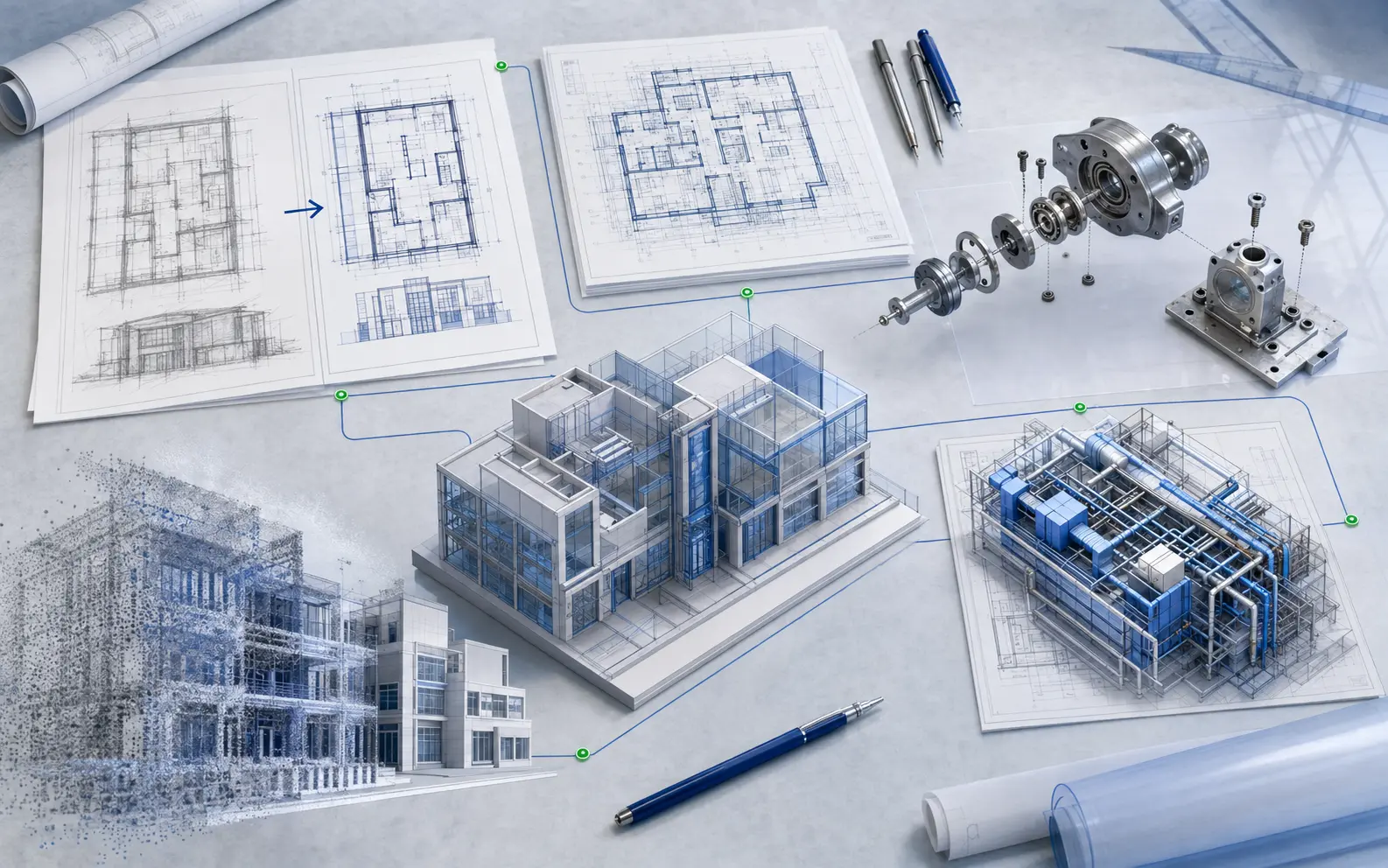
A CAD conversion case study may cover PDF-to-DWG work, raster vectorisation, paper-drawing digitisation, file migration or 2D-to-3D model development.
An AutoCAD drafting case study can examine new drawing production, redline incorporation, CAD cleanup, layer standardisation or recurring drafting capacity.
A SolidWorks modeling case study may describe parametric part creation, assemblies, sheet metal, weldments, manufacturing drawings or imported-geometry rebuilding.
A Revit BIM case study can show model setup, architectural or structural modeling, MEP development, documentation, family creation or model auditing.
An MEP coordination case study may explain model federation, issue identification, reporting and the client-led resolution process.
A scan to BIM project can document point-cloud inputs, model tolerance, existing-condition elements and discrepancies requiring survey or client validation.
The same software can support very different requirements. An architectural drafting project and a mechanical design project should not be evaluated through identical criteria.
Project examples may cover:
Our engineering service case studies clarify which decisions belonged to the client’s professionals and which production tasks were handled by our team.
Although every project differs, readers should be able to see the control points that shaped the outcome.
Available drawings, models, markups, specifications and standards are examined. Missing or conflicting information is identified.
Where suitable, a representative drawing, component or model area is completed to confirm standards and expected detail.
The approved method is applied across the work package. Queries remain linked to their relevant files, sheets or model locations.
An expert reviewer compares the output with the source and checks the agreed CAD, BIM or SolidWorks criteria. This expert production review follows the scope established for that project.
The client resolves questions requiring design authority and reviews the submission. Approved updates are included in the final package.
This gives CAD outsourcing case studies a transparent relationship between inputs, work performed and deliverables. Clients can outsource a representative pilot before expanding to a larger package.
Where AI-assisted processes contributed to a project, the case study should explain their limited role. Examples may include drawing classification, OCR preparation, title-block extraction, file comparison or issue-data organisation.
AI does not approve engineering content, invent dimensions or replace the professional checker. Human review remains part of the solution, and project accountability stays with the assigned people.
Some clients permit project descriptions but not company names, proprietary drawings or commercially sensitive model views. In those situations, the industry, country, volume and technical workflow can be described while restricted identifiers remain excluded.
Offshore CAD project case studies should still make the work specific enough to evaluate. Confidentiality is not used as a reason to substitute unsupported claims for meaningful project details. This remote-delivery presentation method retains useful technical context without exposing restricted files.
Organisations may also request a more relevant example during a project discussion. Where available and permitted, we can select a comparable service, software or industry context. Teams can then outsource a defined work package using their own standards and approval process.
The archive case was handled by product family and source condition, which made the final files easier to review. The exception register was practical and specific.
Stefan W., Engineering Documentation Manager, Germany
The coordination reports showed locations and responsibilities clearly. Our designers could make decisions without searching through disconnected model comments.
Noura S., BIM Delivery Manager, United Arab Emirates
The SolidWorks models reflect the information we approved, and conflicting legacy details were raised before they affected the assemblies.
Derek P., Mechanical Engineering Lead, Canada
Yes. Tell us the service, software, source type and industry involved. We can identify a relevant example where project information is available for sharing.
Only when disclosure is permitted. Some studies use an anonymised industry and country description to protect client information and project files.
The case studies describe the agreed production work and delivered outputs. Design certification, statutory approval and professional validation remain with the authorised project parties.
Where suitable, yes. A representative pilot can confirm source quality, standards, expected output and communication before a larger assignment.
Share your software, source files, approximate volume and intended deliverables. We will identify the most relevant project experience and recommend a suitable production approach.
Request a Relevant Project Review